
experienced guide leadership style
Experienced Guide Leadership Style: A Comprehensive Plan
Experienced guide leadership blends seasoned expertise with a forward-thinking approach, motivating teams and fostering agility in dynamic environments for sustained success.
Experienced guide leadership emerges as a crucial style in today’s complex organizational landscapes. It’s not merely about years served, but a refined ability to navigate change, inspire teams, and drive results through a blend of wisdom and adaptability. This approach distinguishes itself by leveraging past successes while proactively anticipating future challenges.
Senior leaders often transition from specialized roles, requiring a shift in perspective to manage broader functions. Effective experienced guide leaders demonstrate a forward-thinking mindset, crucial for maintaining agility. They understand that leadership demands more than technical skills; it necessitates cultivating essential qualities like integrity and emotional intelligence to build trust and motivate those around them.

II. Defining the Experienced Guide Leadership Style
The experienced guide leadership style is characterized by a leader who skillfully blends proven expertise with a visionary outlook. It’s about more than just directing; it’s about empowering teams to navigate complexities and achieve collective goals. This style prioritizes adaptability, recognizing that static approaches quickly become obsolete in evolving environments.
Unlike purely transactional approaches, experienced guide leaders focus on inspiring and motivating through example. They don’t simply manage tasks; they cultivate a shared vision and foster a culture of continuous growth. This involves actively listening, providing mentorship, and building trust – essential components for high-performing teams seeking sustained success.
III. Core Characteristics of an Experienced Guide Leader
Experienced guide leaders demonstrate a potent combination of qualities. They lead by example, modeling desired behaviors and fostering a culture of accountability. Crucially, they possess forward-thinking capabilities, anticipating challenges and adapting strategies proactively. This isn’t simply about reacting to change, but shaping it.
Furthermore, these leaders excel at strong motivational skills, inspiring teams to exceed expectations. They understand that true leadership isn’t about authority, but about empowering others. This involves active listening, providing constructive feedback, and recognizing individual contributions, ultimately building resilient and high-performing teams.
III.A. Leading by Example & Modeling Behavior
Leading by example is foundational to the experienced guide leadership style. It transcends mere instruction; it’s about demonstrating the values and work ethic expected of the team. Experienced leaders have a proven track record, and their actions consistently align with their words, building trust and credibility.
This modeling extends to handling challenges – showcasing resilience and a positive attitude even under pressure; By embodying the desired behaviors, they create a powerful ripple effect, encouraging team members to adopt similar standards. It’s a subtle yet profoundly effective method of influencing and inspiring performance.
III.B. Forward-Thinking & Adaptability
Experienced guide leaders possess a crucial ability: anticipating future trends and adapting strategies accordingly. Their accumulated knowledge isn’t static; it’s a dynamic tool used to navigate evolving landscapes. This forward-thinking mindset allows organizations to remain agile and responsive to change, a vital asset in today’s fast-paced business world.
Adaptability isn’t simply reacting to change, but proactively preparing for it. These leaders embrace innovation, encourage experimentation, and aren’t afraid to pivot when necessary. They understand that rigid plans can quickly become obsolete, and flexibility is key to sustained success.
III.C. Strong Motivational Skills
Experienced guide leaders excel at inspiring and motivating their teams, fostering a positive and productive work environment. They understand that a motivated team is a high-performing team, and they prioritize creating a sense of purpose and shared vision. This isn’t about simply issuing directives, but about connecting with individuals on a personal level.
These leaders are adept at recognizing and celebrating achievements, providing constructive feedback, and empowering team members to take ownership of their work. They lead by example, demonstrating passion and commitment, which naturally motivates others to strive for excellence and contribute their best efforts.

IV. Distinguishing Experienced Guide Leadership from Other Styles
Experienced guide leadership differs significantly from purely transformational or transactional approaches. While it shares elements of both, it’s uniquely rooted in practical experience and adaptability. Transformational leadership focuses on inspiring radical change, but can lack the grounded realism of an experienced guide. Transactional leadership relies on rewards and punishments, potentially stifling intrinsic motivation.
The experienced guide blends inspiration with pragmatic execution, leveraging past successes and failures to navigate present challenges. It’s about fostering growth through experience, not just towards a vision. This style prioritizes building resilient teams capable of continuous improvement and sustained performance.
IV.A. Comparison with Transformational Leadership
Transformational leadership inspires sweeping change through a compelling vision, often disrupting existing norms. Experienced guide leadership, while valuing vision, prioritizes incremental progress built upon a foundation of practical knowledge. Transformational leaders excel at articulating “what could be,” while guides focus on “how to get there” based on proven strategies.
Both styles motivate, but transformational leadership relies heavily on charisma, whereas experienced guides leverage credibility earned through demonstrated success. A guide’s influence stems from trust and a track record of navigating complexities, offering a more grounded and sustainable approach to team development and organizational growth.
IV.B. Contrast with Transactional Leadership
Transactional leadership centers on exchange – rewards for compliance and penalties for failure. This style emphasizes short-term goals and maintaining the status quo. Experienced guide leadership transcends simple transactions, fostering intrinsic motivation and long-term development. While guides acknowledge performance, their focus extends to mentorship and empowering team members.
Unlike transactional approaches, experienced guides don’t merely direct; they cultivate expertise and adaptability. They understand that sustained success requires investing in people, not just expecting outputs. This creates a more engaged and resilient team, capable of navigating challenges beyond predefined expectations and achieving lasting results.
V. The Importance of Experience in Guiding Leadership
Experience is the bedrock of the experienced guide leadership style, providing leaders with a nuanced understanding of organizational dynamics and human behavior. It allows for informed decision-making, anticipating challenges, and adapting strategies effectively. Seasoned leaders aren’t simply reacting to situations; they’re drawing upon a wealth of past insights.
This accumulated knowledge fosters trust and credibility, as team members recognize the leader’s proven ability to navigate complexities. Experienced guides can readily identify potential pitfalls and opportunities, offering valuable mentorship and fostering a forward-thinking mindset within the team, ultimately driving sustained growth.
VI. Developing Essential Skills for Experienced Guide Leaders
Experienced guide leaders must continually refine their skillset to remain effective. Strategic thinking and visioning are paramount, enabling them to anticipate future trends and chart a compelling course. Equally crucial is mastering communication and active listening – truly understanding team needs and articulating a clear, inspiring vision.
Beyond these, cultivating emotional intelligence, embracing adaptability, and honing motivational techniques are vital. Leaders should actively seek opportunities for self-improvement, mentorship, and staying abreast of industry changes. Continuous learning ensures they can effectively guide their teams through evolving landscapes.
VI.A. Strategic Thinking & Visioning
Strategic thinking for experienced guide leaders involves a proactive assessment of the external environment, identifying opportunities and potential challenges. It’s about moving beyond immediate concerns to envision a desired future state and formulating a roadmap to achieve it. This requires analyzing complex data, understanding market dynamics, and anticipating shifts in the competitive landscape.

Visioning complements this by articulating a compelling and inspiring picture of that future. A strong vision provides direction, motivates teams, and fosters a shared sense of purpose. Experienced leaders translate strategic insights into a clear, actionable vision, ensuring everyone understands their role in realizing it.
VI.B. Communication & Active Listening
Effective communication is paramount for experienced guide leaders. It extends beyond simply conveying information; it’s about fostering understanding, building trust, and inspiring action. This includes tailoring messages to different audiences, utilizing various communication channels, and ensuring clarity and transparency in all interactions.

Crucially, this style emphasizes active listening – truly hearing and understanding the perspectives of team members. It involves paying attention, asking clarifying questions, and demonstrating empathy. By actively listening, leaders gain valuable insights, build stronger relationships, and create a more inclusive and collaborative environment.
VII. Key Leadership Qualities for Success
Experienced guide leaders thrive on a foundation of core qualities. Integrity and trustworthiness are non-negotiable, establishing a bedrock of confidence within the team. Equally vital is resilience – the ability to bounce back from setbacks and navigate challenges with unwavering determination.
Furthermore, emotional intelligence allows these leaders to understand and manage their own emotions, as well as recognize and respond to the emotions of others. This fosters empathy, strengthens relationships, and promotes a positive and productive work environment. These qualities, combined with a commitment to growth, define successful experienced guides.
VII;A. Integrity & Trustworthiness
Integrity and trustworthiness form the cornerstone of effective experienced guide leadership. Leaders demonstrating these qualities build a foundation of unwavering confidence within their teams. This isn’t merely about ethical conduct; it’s about consistently aligning actions with stated values and principles.
Trustworthy leaders are reliable, honest, and transparent in their dealings, fostering open communication and psychological safety. When team members believe in their leader’s integrity, they are more likely to embrace challenges, share ideas, and commit fully to shared goals, ultimately driving collective success.
VII.B. Resilience & Emotional Intelligence
Resilience and emotional intelligence are crucial for experienced guide leaders navigating complex challenges. The ability to bounce back from setbacks, maintain composure under pressure, and understand one’s own emotions – and those of others – is paramount.
Emotionally intelligent leaders foster stronger relationships, resolve conflicts effectively, and inspire greater team cohesion. Resilience allows them to persevere through uncertainty, adapt to change, and model a positive attitude even during difficult times. This combination empowers teams to overcome obstacles and achieve ambitious goals with sustained motivation.
VIII. How Experienced Guide Leaders Motivate Teams
Experienced guide leaders excel at motivation by leading by example and fostering a shared vision. They don’t simply direct; they inspire through their own dedication and commitment; Understanding individual team member strengths and tailoring approaches accordingly is key.
Effective motivation also involves recognizing achievements, providing constructive feedback, and creating opportunities for growth. These leaders build trust and empower their teams, fostering a sense of ownership and accountability. By connecting individual contributions to the larger organizational goals, they unlock intrinsic motivation and drive exceptional performance.
IX. Building High-Performing Teams
Experienced guide leaders construct high-performing teams by prioritizing clear communication, mutual respect, and shared accountability. They focus on selecting individuals with complementary skills and fostering a collaborative environment where diverse perspectives are valued.
Crucially, these leaders invest in team development, providing opportunities for skill enhancement and cross-training. They actively manage conflict, transforming challenges into learning experiences. By establishing a strong team identity and purpose, they cultivate a sense of belonging and commitment, ultimately driving collective success and sustained high performance.
X. Navigating Change and Uncertainty

Experienced guide leaders excel at navigating change and uncertainty by maintaining a calm and composed demeanor, even amidst turbulence. They proactively communicate potential disruptions, framing them as opportunities for growth and innovation. Their forward-thinking mindset allows for agile adaptation, anticipating challenges and developing contingency plans.
These leaders empower their teams to embrace ambiguity, fostering resilience and a willingness to experiment. By providing clear direction and support, they instill confidence and minimize anxiety during periods of transition, ensuring continued progress and maintaining team morale throughout the process.
XI. The Role of Mentorship and Development
Experienced guide leaders recognize the critical importance of mentorship and development for both individual growth and organizational success. They actively seek opportunities to share their knowledge and expertise, nurturing the next generation of leaders within their teams.
This involves providing constructive feedback, offering guidance on career paths, and championing opportunities for skill enhancement. By investing in the development of others, they build a stronger, more capable workforce and foster a culture of continuous learning. Mentorship isn’t just about skill transfer; it’s about inspiring and empowering individuals to reach their full potential.
XII. Experienced Guide Leadership in Different Industries
Experienced guide leadership transcends specific industries, proving adaptable and effective across diverse sectors. In technology, it facilitates navigating rapid innovation; in healthcare, it fosters compassionate, patient-centered care. Within finance, it builds trust and manages risk effectively, while manufacturing benefits from streamlined processes and quality control.
The core principles – leading by example, adaptability, and strong motivation – remain constant. However, the application of these principles varies. A leader in a creative agency will prioritize different skills than one in logistics, yet both benefit from a seasoned, guiding hand.
XIII. Challenges Faced by Experienced Guide Leaders
Experienced guide leaders, despite their wealth of knowledge, encounter unique challenges. Adapting to new technologies requires continuous learning and a willingness to embrace change, potentially disrupting established workflows. Managing increasingly diverse teams demands heightened emotional intelligence and inclusive leadership practices.
Furthermore, resisting the temptation to rely solely on past successes is crucial; stagnation hinders innovation. Maintaining relevance in a rapidly evolving landscape necessitates a commitment to mentorship and development, ensuring the next generation is prepared. Overcoming these hurdles defines truly effective experienced guide leadership.

XIII.A. Adapting to New Technologies
Adapting to new technologies presents a significant hurdle for experienced guide leaders. While possessing deep domain expertise, they must actively embrace continuous learning to remain relevant. Resistance can stem from comfort with established methods or a perceived threat to existing skillsets.
Successful adaptation requires fostering a growth mindset within the team and demonstrating a willingness to experiment. Leaders must champion technological advancements, not as replacements for experience, but as tools to enhance capabilities. This proactive approach ensures the organization remains agile and competitive in a rapidly evolving digital landscape.
XIII.B. Managing Diverse Teams
Experienced guide leaders often face the challenge of managing increasingly diverse teams – encompassing varied backgrounds, perspectives, and experiences. This requires moving beyond traditional hierarchical structures and embracing inclusive leadership practices. A key skill is recognizing and valuing the unique contributions each team member brings.
Effective management involves fostering a psychologically safe environment where open communication and constructive feedback are encouraged. Leaders must actively mitigate unconscious biases and promote equitable opportunities for all. By leveraging the collective intelligence of a diverse team, organizations can unlock innovation and achieve superior results.
XIV. Measuring the Effectiveness of Experienced Guide Leadership
Evaluating experienced guide leadership necessitates a multifaceted approach, extending beyond traditional Key Performance Indicators (KPIs). While metrics like team productivity and project success remain vital, assessing qualitative factors is equally crucial. This includes gauging employee engagement, measuring team cohesion, and tracking innovation rates.

Leaders should solicit regular feedback through 360-degree assessments and anonymous surveys. Observing behavioral changes – increased initiative, proactive problem-solving, and collaborative spirit – provides valuable insights. Ultimately, the effectiveness is demonstrated by a team’s adaptability, resilience, and sustained high performance.
XV. The Future of Experienced Guide Leadership
The future of experienced guide leadership hinges on embracing continuous learning and adaptability. As technology rapidly evolves and workforces become increasingly diverse, leaders must prioritize upskilling and fostering a culture of innovation. Emotional intelligence and resilience will be paramount, enabling leaders to navigate uncertainty and inspire teams through change.
Mentorship and knowledge sharing will become even more critical, ensuring valuable experience is passed down to future generations. Leaders who proactively build their legacy by developing others will be best positioned to thrive in the evolving landscape.
XVI. Leadership vs. Management: A Critical Distinction
Experienced guide leadership transcends traditional management, focusing on inspiring vision and empowering teams rather than simply controlling processes. While management concerns efficiency and maintaining the status quo, leadership drives innovation and embraces change. Effective leaders cultivate a forward-thinking mindset, motivating individuals to achieve their full potential.
This distinction is crucial; experienced guides understand that true success stems from fostering collaboration and trust, not just directing tasks. They prioritize building relationships and developing future leaders, creating a sustainable legacy of growth and adaptability.
XVII. Building Your Leadership Legacy
Experienced guide leadership isn’t about short-term gains, but cultivating a lasting positive impact. Building a leadership legacy involves consistently modeling desired behaviors, mentoring emerging talent, and championing a culture of continuous improvement. It requires a commitment to ethical conduct and a genuine desire to empower others.
Focus on developing a clear vision and strategically aligning your team towards its achievement. Prioritize fostering resilience and adaptability, preparing future leaders to navigate uncertainty. A true legacy is built on trust, integrity, and a dedication to leaving the organization stronger than you found it.
XVIII. Resources for Developing Experienced Guide Leadership
Developing experienced guide leadership requires continuous learning and skill refinement. Explore resources like LeadershipNow.com and books such as “Your Leadership Legacy” by Galford and Maruca, focusing on future-oriented leadership. Online courses on strategic thinking, emotional intelligence, and communication are invaluable.
Consider executive coaching to receive personalized guidance and feedback. Networking with peers and attending leadership conferences provide opportunities for knowledge sharing and best practice adoption. Highrise offers insights into building essential skills, while articles on senior leadership highlight the necessary pivots for success.
XIX. Case Studies of Successful Experienced Guide Leaders

Analyzing successful leaders reveals common traits of the experienced guide style. Individuals who initially excelled in specific areas, then skillfully adapted to broader roles demonstrate key pivots. These leaders consistently lead by example, motivating teams through demonstrated expertise and a forward-thinking mindset.
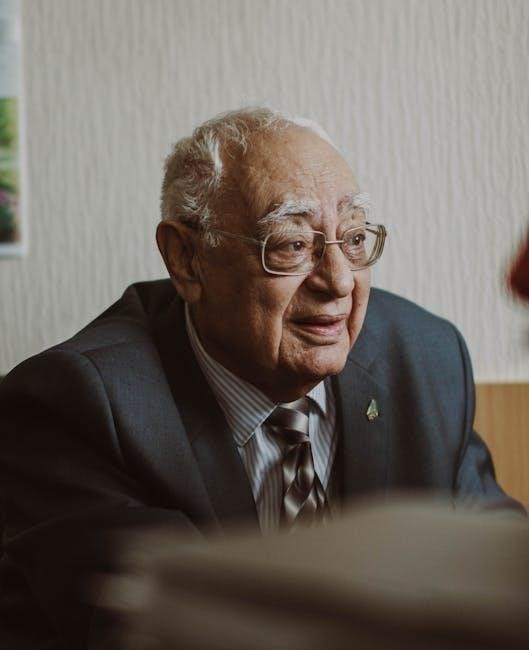
Case studies highlight their ability to navigate change, build high-performing teams, and foster agility. Examining how they developed strategic thinking and communication skills provides valuable lessons. Observing their approach to mentorship and legacy building offers practical insights for aspiring experienced guide leaders seeking to emulate their success.
XX. Conclusion: Embracing the Experienced Guide Approach
The experienced guide leadership style isn’t merely about accumulated years; it’s a deliberate evolution. It requires continuous skill development – strategic thinking, communication, and emotional intelligence – alongside a commitment to adaptability and forward-thinking. Successful leaders prioritize building trust and integrity within their teams.
Embracing this approach means recognizing the distinction between leadership and management, focusing on inspiring and guiding rather than simply directing. Ultimately, the experienced guide fosters a legacy of growth, resilience, and sustained success by empowering others to navigate challenges and achieve their full potential.










Leave a Comment