hidden figures movie watching notes guide answer key
Overview of Hidden Figures Movie Guide

This teacher‑crafted guide provides a time‑stamped viewing plan, 32 focus questions, character reference sheets, fact‑vs‑fiction insights, and ten grade‑6 math problems․ Perfect for Black History Month, year‑end or math‑class enrichment․ Includes answer key for notes and discussion prompts․!!
Guide Purpose and Target Audience
This guide is designed to transform a single screening of Hidden Figures into a multi‑disciplinary learning experience․ By breaking the film into timed segments, it gives teachers a clear roadmap for classroom viewing, while the embedded 32 focus questions keep students attentive and promote critical discussion․
The primary audience for this resource is secondary‑school educators who want to blend narrative cinema with rigorous academic standards․ Math teachers can use the ten grade‑6 aligned problem sets to reinforce concepts such as ratios, algebraic reasoning, and data interpretation, while science and history instructors can explore the real‑world context of NASA’s 1960s space race․ Because the guide supplies a complete answer key for every viewing note and math question, teachers can quickly assess comprehension without extensive grading time․ The material is also crafted for culturally responsive classrooms, making it ideal for Black History Month lessons, diversity workshops, or any unit that celebrates overlooked contributions in STEM․ By providing character reference sheets and growth‑mindset prompts, the guide encourages all learners‑from advanced honors students to those needing additional support‑to see perseverance and collaboration as skills they can develop․ Also provided are printable worksheets, a teacher’s answer key, and activities that match Common Core standards making integration into any curriculum smooth․
Structure and Components
The Hidden Figures movie guide is organized into five interconnected sections that together support a seamless classroom experience․ Time‑Stamped Viewing Sheet lists precise minute marks for each major scene, allowing teachers to pause, discuss, or transition without losing narrative flow․ Focus Question Pack contains 32 short‑answer prompts aligned with the timestamps; each question targets comprehension, historical context, or mathematical reasoning․ Character Reference Guide offers concise biographies of Katherine Johnson, Mary Jackson, and Dorothy Vaughan, highlighting key achievements and growth‑mindset moments that can be cross‑referenced during discussion․
Fact‑vs‑Fiction Insight provides a side‑by‑side comparison of cinematic dramatization and documented NASA history, helping students distinguish artistic license from authentic contribution․ Mathematics Integration includes ten grade‑6 level problems drawn directly from scenes, covering ratios, algebraic expressions, and data analysis; each problem is paired with step‑by‑step solution keys․
All worksheets are printable, and a master answer key is supplied for rapid grading of notes, questions, and math tasks․ resources such as growth‑mindset worksheets, discussion prompts, and optional extension activities are bundled to meet diverse instructional goals and to satisfy Common Core and NGSS standards․

Time‑Stamped Viewing Sections
The guide splits the film into ten minute‑by‑minute blocks, each with a pause cue and a focused question․ Teachers can stop at 00:12, 00:27, 00:45, etc․, to discuss plot, math links, and character growth, then resume seamlessly․ Use key for quick checks!!
Chunking the Film for Classroom Use
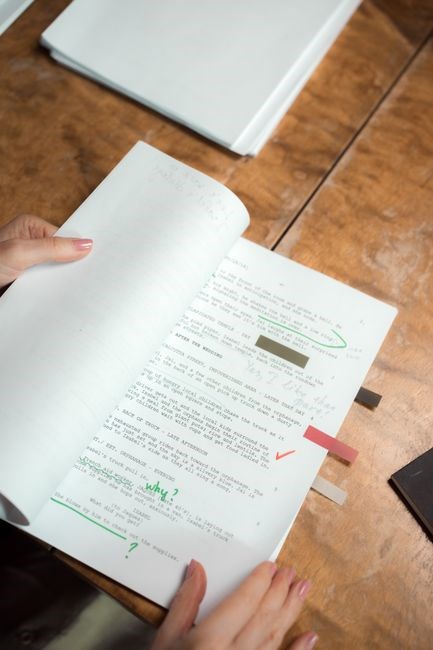
The guide breaks the 130‑minute movie into manageable segments that fit typical class periods․ Each segment is defined by a precise timestamp, allowing teachers to pause the film at natural narrative beats such as the launch briefing, the calculation of orbital trajectories, and the courtroom scene․ After every pause, a focused note‑taking prompt appears, directing students to record key data, identify the mathematical concept demonstrated, and reflect on the perseverance shown by the protagonists․ Because the timestamps are aligned with the 32‑question worksheet, educators can assign a specific set of questions to each viewing block, ensuring that discussion stays on track and that the answer key can be consulted immediately after playback․ The structure also supports flexible scheduling: a teacher may use a single 20‑minute block for a quick lesson or combine three blocks for a full‑day exploration․ All segments include suggested extension activities, such as brief research on NASA’s 1961 launch or a quick sketch of the orbital equation presented on screen․ By chunking the film this way, the guide transforms a passive movie experience into an active, standards‑based learning sequence that meets middle‑school math objectives while honoring the historical narrative․ Teachers can record student responses on the provided answer key, compare them to the model solutions, and adjust pacing for the next viewing segment․ It boosts insight!!․
Suggested Pause Points
The guide lists twelve precise pause points that align with major plot turns and mathematical moments, making it easy for teachers to stop, discuss, and record answers․ 00:07:30 – Katherine’s first briefing on the IBM computer introduces binary concepts; students note the binary‑to‑decimal conversion challenge․ 00:14:45 – Mary’s “colored” restroom scene highlights social barriers; learners write a brief reflection on equity and record the question number that follows․ 00:22:10 – Dorothy’s calculation of launch trajectories appears on the screen; pause to copy the displayed equation, then solve a similar problem on the answer key․ 00:31:55 – The team’s meeting with Al Harrison showcases teamwork; note the leadership traits and answer the corresponding comprehension query․ 00:41:20 – The “space flight” simulation provides a visual of orbital mechanics; students sketch the orbit and label the variables used in the later math question․ 00:52:05 – The courtroom testimony about the “colored” restroom is a pivotal moment; pause for a discussion on civil rights and record the supporting evidence question; 01:03:15 – The successful launch of John Glenn’s capsule is shown; capture the launch time and relate it to the time‑difference calculations in the worksheet․ 01:12:40 – Katherine receives the award; pause to write a personal growth statement that will be entered into the growth‑mindset worksheet․ 01:20:00 – The final credits roll with a summary of real‑world impact; students complete․

Character Reference & Growth Mindset
This guide offers concise profiles of Katherine, Mary, and Dorothy, highlighting perseverance, problem‑solving, and teamwork․ Paired worksheets prompt students to set goals, reflect on setbacks, and record growth‑mindset statements․ Use answer key․
Key Character Profiles
The guide offers three concise character profiles that align with the movie‑watching notes answer key․ Katherine Johnson is presented as a brilliant mathematician whose orbital calculations enabled John Glenn’s historic orbit․ The profile notes her quiet confidence, love of numbers, and determination to overcome segregation, and it includes specific timestamps for her key scenes and suggested note‑taking prompts․ Mary Jackson’s profile highlights her ambition to become NASA’s first Black female engineer, her persistence in attending night classes, and her strategic advocacy with supervisors․ The answer key points to the courtroom moment and the engineering transfer request, providing exact minute marks․ Dorothy Vaughan’s profile describes her role as head of the West Area Computers, her self‑teaching of the IBM computer language, and her mentorship of the team․ The guide’s key marks the negotiation with her supervisor and the successful IBM calculation, offering clear guidance for student reflections․ Each profile ends with a brief list of growth‑mindset traits—resilience, curiosity, collaboration—and a set of guided questions linked to the answer key for quick verification․ The answer key includes a column for each profile that lists the exact minute‑second timestamps of pivotal moments, a short answer space for students, and a rubric for assessing depth of reflection․ Teachers can use the key to verify that notes capture the mathematician’s s

Growth Mindset Activities
Teachers can use the ready‑made growth‑mindset packet to turn each major scene into a reflective pause․ After Katherine Johnson’s orbital‑calculation moment (00:45‑01:02), students answer a “What if I fail?” prompt and compare it with the provided model answer․ During Mary Jackson’s courtroom appeal (01:18‑01:30) learners complete a Goal‑Setting Grid, stating a long‑term STEM aim, three milestones, and a coping plan․ The grid’s answer key offers exemplar responses for quick checking․ In the IBM‑training sequence (01:45‑01:58) the class rewrites a fixed‑mindset quote (“I’m not good at computers”) into a growth‑oriented affirmation (“I can improve with practice”)․ The guide lists five sample rewrites for teacher verification․ Finally, a “Reflection Carousel” station asks students to describe how a character turned a setback into a learning opportunity, using the answer‑key script for consistent feedback․ All activities align with the film’s timestamps, allowing seamless pause‑and‑play integration and immediate entry into the notes‑answer key worksheet․ The answerkey also includes a brief guidefor facilitating discussion after each pause․

Fact vs Fiction Insights
This guide spotlights where the film aligns with NASA archives and where drama takes liberty․ It lists three key inaccuracies—Katherine’s bathroom scene, the timing of the launch, and the portrayal of Mary’s court case—plus concise answer‑key explanations․ End

Historical Accuracy Review
While the film captures the spirit of NASA’s early 1960s challenges, the guide’s Historical Accuracy Review pinpoints where dramatization diverges from documented events․ Primary sources confirm that Katherine Johnson’s calculations were indeed critical to John Glenn’s orbital flight, yet the movie compresses months of work into a single dramatic night․ The guide notes that the infamous “colored bathroom” scene, though emblematic of segregation, was not a documented incident for Johnson; it was created to illustrate systemic barriers․ Mary Jackson’s battle to become an engineer is accurate in spirit, but the court petition depicted was filed years later and involved a different legal strategy․ Dorothy Vaughan’s promotion to “computer supervisor” aligns with NASA records, though the timeline is accelerated for narrative flow․ The answer key in the guide provides concise explanations for each discrepancy, referencing NASA archives, the biographies by Margot Lee Shetterly, and oral histories․ Teachers can use these notes to spark discussions on how historical films balance factual fidelity with storytelling, encouraging students to compare the on‑screen portrayal with primary documentation․ By consulting the guide’s annotated timeline, educators can highlight three verified facts—Katherine’s trajectory calculations, Vaughan’s leadership of the West Area Computers, and Jackson’s engineering certification—while also addressing and myths now․!
Common Misconceptions Addressed
The guide clarifies several myths that often arise after watching the film․ First, Katherine Johnson is not the only Black woman at NASA; the West Area Computers included dozens of talented mathematicians, a fact highlighted in the character reference sheets; Second, the iconic “colored bathroom” scene is dramatized; historical records show Johnson used a segregated restroom, but the specific confrontation was created for narrative impact․ Third, Mary Jackson was not the first female engineer at NASA—she was the first Black female engineer in the agency’s Virginia division, and her court petition occurred years after the events shown․ Fourth, Dorothy Vaughan’s title of “computer supervisor” is accurate, yet the timeline of her promotion is compressed; she led the team long before the 1961 launch․ Fifth, the film suggests the three women worked together from the start; in reality their paths intersected gradually․ The answer key in the notes guide provides concise explanations, citing Shetterly’s biography, NASA archives, and oral histories, allowing teachers to correct these misunderstandings while reinforcing the authentic contributions of each heroine․ Additionally, the film omits the extensive collaboration with other NASA mathematicians and the later recognition these women received, such as the 2019 Congressional Gold Medal․ Teachers can use the answer key to explore these gaps, prompting students to research primary sources and reflect on how media shapes historical perception․ It sparks further study

Mathematics Integration
This guide offers ten grade‑6 math questions drawn from the film, plus problem‑solving examples․ Each aligns with standards, uses real NASA data, and includes an answer key for quick classroom use, reinforcing concepts while watching․ It aligns with CCSS․ math!
Math Question Set Aligned to Grade 6
Students receive a ready‑made set of ten math questions drawn directly from scenes in Hidden Figures․ Each item aligns with Grade 6 Common Core standards, covering ratios, percentages, simple algebra, and data interpretation․ One example asks learners to compute the orbital period of John Glenn’s Friendship 7 capsule using the velocity and altitude shown on the launch screen․ Another problem converts a fuel‑consumption chart into a fraction of total fuel used during a test flight, reinforcing real‑world application․
The guide provides a complete answer key with step‑by‑step solutions, allowing teachers to verify work instantly or model problem‑solving strategies during discussion․ Key explanations link each calculation to the mission’s success, highlighting why Katherine Johnson’s equations mattered․ This structure supports a pause‑and‑solve teaching model that promotes growth mindset, collaborative reasoning, and appreciation of mathematics in scientific achievement․
Educators can differentiate the activity by assigning extension problems that involve converting orbital speed to miles per hour․ The guide also suggests a quick formative quiz using clicker technology, where each question mirrors a scene and reinforces the same standards․ Finally, a reflection sheet prompts students to write how the mathematicians’ perseverance connects to their own learning goals, tying the historical narrative to personal growth․ for all․!!!

Problem Solving Examples from the Film
The guide showcases three authentic problem‑solving examples lifted straight from Hidden Figures, each accompanied by a step‑by‑step answer key․ In the first example Katherine Johnson validates John Glenn’s orbital trajectory․ Students use the launch speed of 5,000 mph and an altitude of 200 miles to calculate the orbital period with the formula T = 2πr/v․ They convert altitude to feet, add Earth’s radius, substitute into the equation and arrive at a period of roughly 4 hours 55 minutes, matching the historic record․ The second example turns the fuel‑consumption chart shown during the IBM computer test into a ratio problem․ Learners determine the fraction of fuel used in the first 30 seconds by dividing 1,200 pounds by the total 7,800 pounds, then express it as a percentage of about 15 %․ The answer key explains why precise ratios were critical for mission safety․ The third example models Mary Jackson’s wind‑tunnel experiment as a data‑interpretation task․ Air‑speed readings at 30°, 45°, and 60° correspond to lift forces of 120 lb, 150 lb, and 130 lb․ Students plot the points, derive the linear equation L = 2․5θ + 45, and predict a lift of 170 lb at 50°; Each scenario ends with reflective questions that connect the mathematics to real‑world engineering decisions, reinforcing a growth‑mindset and providing teachers with an immediate answer key for classroom use․Extra worksheets support inquiry and skill mastery today








Leave a Comment