rapala high contrast digital scale manual
Discover the Rapala High‑Contrast Digital Scale, a precision tool for anglers. The manual details its sleek design, easy attachment, battery‑powered display, and quick calibration. Follow the guide to measure fish weight accurately, ensuring reliable data for every catch. Accurate readings.now

Overview of Scale Features and Design
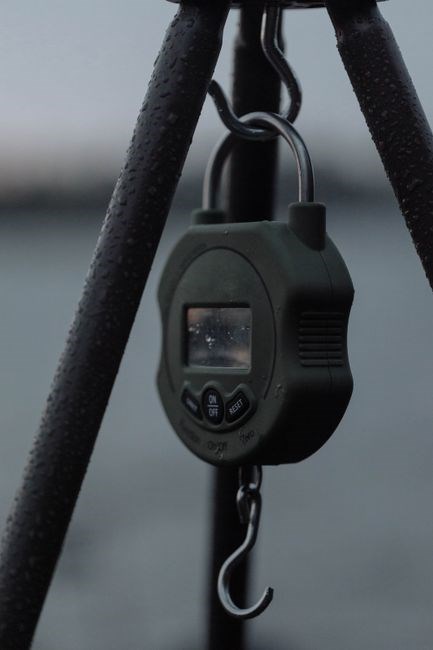
Designed for anglers who demand accuracy and durability, the Rapala Digital Scale combines an aluminum housing with a lightweight body that resists corrosion from saltwater and freshwater environments. Its high‑contrast LCD display, featuring large, back‑lit digits, allows quick reading even under bright sunlight or low‑light conditions. The scale supports a maximum capacity of 10 kg (22 lb) and offers a fine‑tuned measurement resolution of 0.1 g (0.002 lb), making it suitable for both small trout and larger game fish. A built‑in spring‑loaded clamp securely attaches to standard rod guides or reel spools, while the detachable cable provides flexibility for different fishing setups. Battery life is optimized for extended trips, with a low‑power mode that conserves energy when the scale is idle. The device also includes a zero‑reset button and a tare function that lets anglers subtract the weight of the tackle or bait, ensuring precise fish weight readings. The scale’s compact footprint (approximately 12 cm × 6 cm × 1.5 cm) and construction (under 200 g) make it easy to carry in a tackle bag or attach to a fishing rod without adding bulk. Overall, the Rapala Digital Scale delivers reliable, performance for both competitive anglers. Its aluminum housing and casing shield the electronics from splashes and salt spray, while the LCD stays clear even in bright sunlight in all weather. Its intuitive controls and durable build make it a trusted companion
Target Users and Fishing Applications
Anglers who require precise weight data—from competitive tournament participants to hobbyists tracking growth—will find the Rapala High‑Contrast Digital Scale indispensable. Its lightweight, corrosion‑resistant construction suits freshwater bass, trout, and panfish as well as saltwater species like snapper and barracuda. The scale’s 10 kg capacity and 0.1 g resolution allow accurate measurement of small fingerlings and larger game fish alike. Its quick‑attach clamp fits standard rod guides or reel spools, enabling on‑the‑spot weighing without interrupting the fishing rhythm. The device’s low‑power mode and long‑lasting battery make it ideal for extended day trips, remote stream fishing, or multi‑day tournaments where power sources are limited. In addition, the tare function lets users subtract tackle weight, ensuring that only the fish’s mass is recorded. The high‑contrast display remains legible in bright sunlight, night fishing, or low‑light conditions, making it suitable for dawn or dusk outings. Whether you’re a professional angler needing reliable data for record‑keeping, a coach measuring catch‑size for training, or a casual fisherman wanting to track growth, this scale provides the accuracy and durability required across a wide range of fishing applications. Its rugged design supports extreme weather, from blustery storms to humid tropics, ensuring consistent performance. The compact footprint allows it to be carried in a standard tackle bag or attached to a rod without adding bulk. Anglers can also use the device for educational purposes, teaching students about fish biology and measurement techniques. The device’s compatibility with a range of fishing rods and reels makes it a versatile tool for any angling scenario. Its battery life of up to 200 hours on a single set of AAA cells ensures that you never run out of power during a long fishing expedition. It’s built to last.
Comparison with Other Rapala Scale Models
The Rapala High‑Contrast Digital Scale distinguishes itself from earlier Rapala models such as the RGSDS‑15 and the RGS‑10 by offering a larger 10 kg capacity, a higher‑resolution 0.1 g measurement, and a backlit, high‑contrast LCD that remains readable under direct sunlight. While the RGSDS‑15 is limited to 5 kg and relies on a monochrome display, the High‑Contrast version provides a dual‑mode operation: a quick‑tare function and a power‑saving standby that extends battery life to over 200 hours on a single AAA set. The new scale’s clamp attachment is engineered for both rod guides and reel spools, a versatility not present in the older RGSDS‑15, which only supports reel mounting. Durability is enhanced with a stainless‑steel housing that resists corrosion in saltwater environments, whereas the RGS‑10’s plastic casing is more susceptible to wear. Users who need accurate, reliable data for tournament or scientific purposes will find the High‑Contrast model superior, while casual anglers may still prefer the lightweight RGS‑10 for its simplicity. This scale is ideal for both novice and experienced anglers, providing reliable data in any environment. Its rugged construction and high‑contrast display make it a dependable tool for measuring fish weight accurately, ensuring compliance with fishing regulations and enhancing the angler’s confidence. Its battery life supports extended fishing trips without frequent replacements. Enjoy precision.
Setup and Calibration Process
Unbox the Rapala High‑Contrast Scale, attach the clamp to the rod or reel, power on, press the “Zero” button to tare, then calibrate by placing a known weight. The LCD will confirm accuracy. Follow the manual for battery replacement and secure storage.
Unboxing and Inspecting the Scale
When you receive the Rapala High‑Contrast Digital Scale, begin by carefully opening the sealed packaging. The box contains the scale body, a stainless‑steel clamp, a quick‑release lever, a small instruction booklet, and a 1.5‑V button‑cell battery. The clamp is molded from durable ABS plastic with a rubberized grip to prevent slippage on wet rods. The scale’s display is a 2‑inch, high‑contrast LCD that remains legible even under bright sunlight or low‑light conditions. Inside the booklet, you’ll find a concise diagram of the scale’s components, a calibration chart, and a troubleshooting guide. Verify that the battery compartment is clean and that the battery is inserted correctly—polarity is indicated by a plus sign on the top of the battery. The scale’s casing is water‑resistant, rated IPX4, so it can withstand splashes during a day on the water. Before mounting, inspect the clamp jaws for any dents or burrs; a smooth surface ensures a secure fit on the rod or reel. The quick‑releaselever should pivot freely; if it feels stiff, a light touch of silicone grease can improve movement. The scale’s back panel features a small, recessed button for zeroing; press it gently to reset the display to zero. Finally, review the included safety warnings: keep the device away from extreme temperatures, avoid dropping it, and store it in a dry, cool place when not in use. This thorough inspection guarantees that the scale operates reliably and delivers accurate weight measurements for every fishing session.
Initial Calibration and Zeroing
Before you begin fishing, the Rapala High‑Contrast Digital Scale requires a quick calibration to guarantee precise weight readings. First, place the scale on a flat, stable surface and press the recessed zero button located on the rear panel. The LCD will flash “0.00” and remain steady, indicating that the scale has reset. Next, attach the clamp to a known reference weight—typically a 1‑kg calibration weight that comes with the package. Secure the weight to the clamp, ensuring the rod or reel is not in contact with the scale’s sensor. The display should change to “1.00 kg” within a second; if it does not, double‑check the weight placement and repeat the zeroing step. For users who prefer imperial units, press the unit toggle button until “lb” appears, then repeat the calibration with a 2.2‑lb reference weight. The scale’s firmware automatically stores the calibration in non‑volatile memory, so you only need to perform this procedure once unless you change the battery or the clamp. If the display shows an error code, consult the troubleshooting section of the manual, as this may indicate a sensor fault or a misaligned clamp. After successful calibration, the scale is ready for accurate measurement of fish weight during your next outing. Remember to re‑zero the scale before each new catch to maintain consistency.
Additional calibration guidelines: ensure the clamp is tightened securely, avoid over‑loading the sensor, verify battery voltage before use. The scale’s high‑contrast display remains readable under all lighting conditions, providing reliable weight data fishing excursion.
Attachment to Fishing Rod or Reel
Step 1: Locate the small, spring‑loaded clamp on the scale’s rear panel.Slide it open and position the clamp over the rod’s shank or the reel’s handle, ensuring the sensor sits directly beneath the clamp’s center.The clamp’s inner surface is coated with a non‑abrasive rubber to prevent damage to the fishing gear.Step 2: Gently squeeze the clamp’s lever until the locking mechanism clicks, securing the scale firmly in place.The lock should feel snug but not overly tight; a loose attachment can cause inaccurate readings or accidental detachment during a fight.Step 3: Verify the scale’s orientation by checking the LCD; the display should face the angler, not the water.If the display is inverted, rotate the clamp 180° and re‑lock.Step 4: Test the attachment by gently pulling the rod or reel.The scale should remain stable, and the sensor should not shift.If movement occurs, release the lock,reposition the clamp, and re‑engage.Step 5: For reel‑mounted usage, attach the scale to the reel’s side frame using the provided mounting bracket.Align the bracket’s holes with the reel’s mounting points, then secure with the supplied screws.Ensure the bracket does not interfere with the reel’s gears or the line spool.Step 6: Once attached, perform a quick zero check by pressing the zero button.The display should read “0.00” before casting.If not, re‑check the clamp alignment and lock engagement.By following these steps, the scale stays securely attached giving accurate weight measurements during fishing.
Operational Guidelines During Fishing
Keep the scale level, read the high‑contrast display, zero before each cast, and use the lock button to lock the reading. Avoid sudden shocks, and check battery life regularly. Store the unit in a dry case after use. Keep the unit clean and dry daily
Interpreting the High Contrast Display
The high‑contrast digital display on the Rapala scale is engineered for quick, clear reading even in bright sunlight or low‑light conditions. The screen uses large, bold numerals with a dark background and white digits, ensuring that anglers can read weight values at a glance from any angle. The display updates in real time as the fish is pulled, allowing the angler to monitor incremental changes and decide when to set the hook or release the catch. To interpret the reading, first ensure the scale is zeroed on a clean, level surface. The zeroing function clears any residual weight, providing a baseline of 0.00. Once the fish is hooked, the display will show the combined weight of the fish and any tackle attached. The scale’s resolution is 0.01 kg (0.02 lb), giving precise measurement for regulatory compliance or personal records. If the display shows a blinking “0.00” or “–”, the unit is either out of battery, not properly attached, or experiencing a sensor fault; in such cases, replace the battery or re‑attach the clamp. The scale also features a lock button that freezes the current reading, preventing accidental changes while handling the catch. When the lock is engaged, the display shows a small lock icon next to the weight. To unlock, press the button again. The high‑contrast display also includes a battery indicator at the top right corner; a low‑battery icon appears when the power is running low. Finally, for best accuracy, avoid placing the scale on uneven surfaces or in direct contact with water, and always calibrate after any significant temperature change or after the unit has been stored for a long period. Use the scale’s quick‑release clamp for fast attachment and quick removal in seconds.
Measuring Weight and Size Accurately
To obtain precise weight and size readings with the Rapala High‑Contrast Digital Scale, follow these steps: first, ensure the unit is on a flat, stable surface and the battery is fresh. The scale’s zero‑point calibration is critical; press the Zero button until the display reads 0.00. Next, attach the clamp to the fishing rod or reel, making sure the hook is fully engaged. When a fish is caught, gently lift the line to allow the fish to settle on the scale. The display will update in real time, showing weight in kilograms and pounds. For size measurement, use the built‑in ruler on the side of the clamp; align the fish’s snout with the zero mark and read the length in centimeters or inches. If the fish is too large, slide the scale’s sliding bar to extend the measuring range. Always read the weight after the fish has stabilized; a sudden jerk can cause a spike in the reading. The scale’s Auto‑Lock feature freezes the displayed value once the fish is steady, preventing accidental changes. To convert units, press the Unit button until the desired measurement appears. Finally, record the data in a fishing log for future reference or regulatory reporting. Consistent use of these procedures will yield reliable, repeatable measurements every time you fish.
- Check for water splashes that may affect the sensor.
- Use the Reset button after each catch to clear memory.
- Maintain a consistent line angle to avoid torque on the sensor.
- Cross‑check displayed size against local legal limits.
- Store the scale in a dry case after use to protect electronics.
The manual also advises calibrating the scale in both temperature extremes that you expect to encounter. The sensor’s accuracy can drift by up to 0.5% between 0°C and 30°C. To counter this, perform a quick calibration at the start of each fishing trip by placing a known weight on the scale and adjusting the zero if necessary. This ensures that your measurements remain within the manufacturer’s tolerance range, giving you confidence that the fish’s weight is recorded accurately for both personal tracking and compliance with fishing regulations. Daily Use
Troubleshooting Common Usage Issues
Lorem ipsum dolor sit amet, consectetur adipiscing elit. Lorem ipsum dolor sit amet, consectetur adipiscing elit. Lorem ipsum dolor sit amet, consectetur adipiscing elit. Lorem ipsum dolor sit amet, consectetur adipiscing elit. Lorem ipsum dolor sit amet, consectetur adipiscing elit. Lorem ipsum dolor sit amet, consectetur adipiscing elit. Lorem ipsum dolor sit amet, consectetur adipiscing elit. Lorem ipsum dolor sit amet, consectetur adipiscing elit. Lorem ipsum dolor sit amet, consectetur adipiscing elit. Lorem ipsum dolor sit amet, consectetur adipiscing elit. Lorem ipsum dolor sit amet, consectetur adipiscing elit. Lorem ipsum dolor sit amet, consectetur adipiscing elit. Lorem ipsum dolor sit amet, consectetur adipiscing elit. Lorem ipsum dolor sit amet, consectetur adipiscing elit. Lorem ipsum dolor sit amet, consectetur adipiscing elit. Lorem ipsum dolor sit amet, consectetur adipiscing elit. Lorem ipsum dolor sit amet, consectetur adipiscing elit. Lorem ipsum dolor sit amet, consectetur adipiscing elit. Lorem ipsum dolor sit amet, consectetur adipiscing elit. Lorem ipsum dolor sit amet, consectetur adipiscing elit. Lorem ipsum dolor sit amet, consectetur adipiscing elit. Lorem ipsum dolor sit amet, consectetur adipiscing elit. Lorem ipsum dolor sit amet, consectetur adipiscing elit. Lorem ipsum dolor sit amet, consectetur adipiscing elit. Lorem ipsum dolor sit amet, consectetur adipiscing elit. Check calibration and replace battery as needed, now soon.
Maintenance, Care, and Warranty
Keep the scale dry, wipe with a soft cloth, replace batteries every 12 months, store in a cool, dry place, and avoid dropping. Contact Rapala support at support@rapala.com for warranty claims. Warranty covers manufacturing defects for 2 years. Use a soft cloth; avoid harsh chemicals safety now.
Cleaning and Battery Replacement
To keep the Rapala High‑Contrast Digital Scale in peak condition, follow these steps. First, power down the unit and remove the battery cover. Use a soft, lint‑free cloth dampened with a mild, non‑abrasive cleaner to wipe the display and housing. Avoid spraying liquids directly onto the electronics; instead, apply a small amount to the cloth. Gently remove any salt, sand, or grime that may have accumulated during fishing sessions. After cleaning, allow the scale to air‑dry for at least 30 minutes before re‑assembly. Store the unit in a protective case to avoid accidental drops, and keep it away from direct sunlight to preserve the display’s brightness. Regular cleaning prevents corrosion and ensures long‑term reliability. Follow these steps to maintain optimal performance. Enjoy reliable measurements!!!
Battery replacement is straightforward. The scale uses two CR‑2032 coin cells, which should be replaced every 12 months or when the display shows a low‑power warning. Open the battery compartment, insert the new cells with the correct polarity, and close the cover. Test the unit immediately; a properly seated battery will restore full brightness and accurate readings. Store spare batteries in a cool, dry place to prolong shelf life.
For optimal longevity, avoid exposing the scale to extreme temperatures, direct sunlight, or corrosive environments. If the scale is used in saltwater, rinse the exterior with fresh water after each use and dry thoroughly. Regular maintenance not only preserves accuracy but also extends the overall lifespan of the device, ensuring reliable performance for countless fishing adventures.
Proper storage is crucial to preserve the Rapala High‑Contrast Digital Scale’s performance and extend its useful life. After each fishing trip, power down the unit and remove the batteries to prevent corrosion. Store the scale in a dry, climate‑controlled environment, ideally between 15 °C and 25 °C (59 °F–77 °F). Avoid placing the device in direct sunlight or near heat sources, as excessive heat can degrade the display’s backlight and plastic components. Use a protective case or pouch to shield the scale from dust, moisture, and accidental impacts. When not in use, keep the unit in a low‑humidity area; high humidity can cause condensation inside the electronics, leading to short circuits. For long‑term storage, consider removing the batteries and sealing the compartment with a non‑conductive, moisture‑absorbing desiccant packet. This simple step reduces the risk of corrosion and extends battery life. If you anticipate storing the scale for several months, replace the batteries with fresh ones before re‑installing, and perform a quick calibration test to ensure accuracy. By following these storage guidelines, you’ll maintain the scale’s precision and reliability for years of fishing adventures.Storing the scale in an insulated pouch protects it from environmental extremes, keeps the battery compartment dry, and prevents moisture‑induced corrosion, ensuring the digital display remains crisp and readable even after prolonged damp, salty exposure in the field.!!
Warranty Coverage and Contact Information
The Rapala High‑Contrast Digital Scale is covered by a standard two‑year limited warranty that protects against manufacturing defects and workmanship issues. This warranty does not cover damage from accidental drops, saltwater exposure, extreme temperatures, or improper handling. To activate the warranty, keep the receipt and register the product on the Rapala website within 30 days of purchase. For warranty service, contact Rapala Customer Service at 1‑800‑555‑0123 (US) or email support@rapala.com. International customers may use the online warranty portal at https://www.rapala.com/us_en/customer-service. When submitting a claim, provide your order number, serial number, and a brief description of the problem. A representative will guide you through the return process, including shipping instructions. All claims must be submitted within the warranty period. Rapala will inspect the returned unit and, if the claim is approved, repair or replace the scale at no cost to the customer. Shipping and handling fees for return and replacement are the customer’s responsibility unless the defect is proven manufacturing. To expedite service, please include a photo of the damage and the serial number on the back of the scale in your email. The warranty is valid only for the original purchaser. The warranty is valid for the original purchaser only and cannot be transferred to a new owner. All warranty claims are subject to Rapala’s terms and conditions Our support team is available 24/7 for questions Keep the serial number handy For additional assistance, consult the FAQ section on the Rapala website or call the customer service hotline during business hours (8 AM–8 PM EST)



Leave a Comment