parkinson’s lsvt big exercises pdf
Overview of Parkinson’s Disease and LSVT BIG
Parkinson’s disease is a neurodegenerative disorder marked by tremor, rigidity, and bradykinesia․ LSVT BIG, a high‑intensity movement program, targets these motor deficits through large‑amplitude exercises, improving gait, balance, and overall function․ Clinical trials confirm its efficacy in enhancing motor control and riskfall․
Definition and Pathophysiology of Parkinson’s Disease
Parkinson’s disease (PD) is a progressive neurodegenerative disorder primarily affecting the motor system․ It is characterized by the loss of dopaminergic neurons in the substantia nigra pars compacta, leading to a dopamine deficit in the striatum․ This dopaminergic depletion disrupts the basal ganglia circuitry, particularly the direct and indirect pathways, causing the classic motor triad of resting tremor, rigidity, and bradykinesia․ In addition to motor symptoms, PD involves non‑motor manifestations such as autonomic dysfunction, mood disorders, and cognitive decline, reflecting widespread neurochemical and structural changes beyond the nigrostriatal pathway․ Pathologically, PD is marked by the presence of Lewy bodies—intracellular aggregates of alpha‑synuclein—within surviving neurons, which may contribute to synaptic dysfunction and neuronal death․ The disease progression follows a staged pattern, with early cortical involvement and later widespread cortical and subcortical degeneration․ Genetic factors, environmental toxins, and mitochondrial dysfunction are implicated in disease onset and progression, though the exact etiology remains multifactorial․ The resulting motor deficits arise from impaired signal transmission in the basal ganglia, leading to reduced initiation and scaling of movements, and the characteristic “small steps” and shuffling gait observed in patients․ Therapeutic strategies aim to restore dopaminergic tone and improve motor control, but disease‑modifying treatments remain elusive․
Lorem ipsum dolor sit amet, consectetur adipiscing elit․ Vestibulum at pulvinar erat․ Proin non urna vitae arcu tempor․ Sed ut perspiciatis unde omnis iste natus error sit voluptatem accusantium doloremque․ Quia voluptas․ Et dolore․ Facere!!!?
PDF Resources for LSVT BIG Exercises
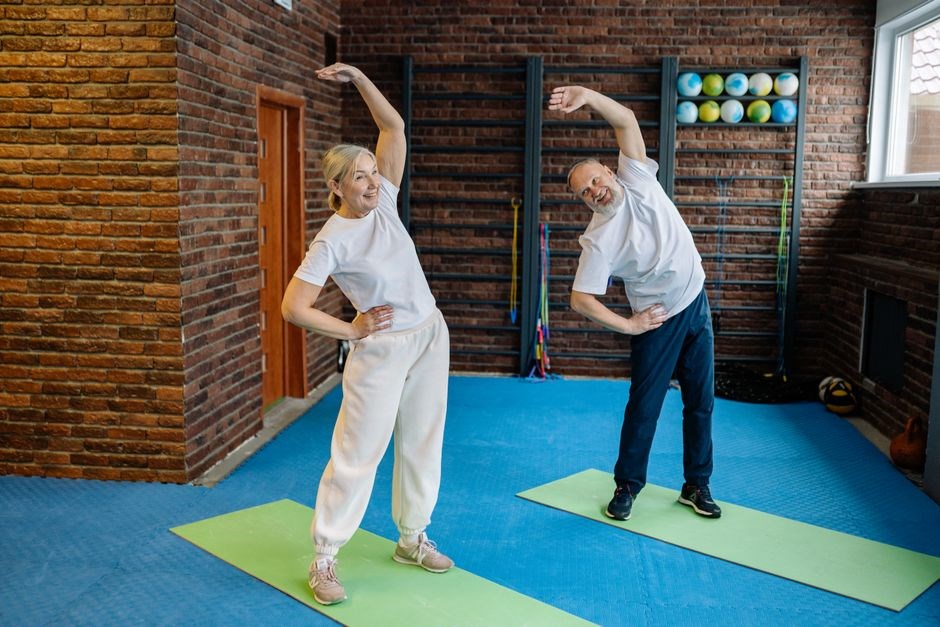
Access official LSVT BIG PDFs via the manufacturer’s website, research portals, and academic libraries․ Key documents include the 4‑week protocol guide, exercise sheets, and case‑study reports on balance and gait improvements․ Download links are often behind a brief registration form․ online!
Official LSVT BIG Documentation Availability
Official LSVT BIG materials are distributed through the manufacturer’s licensed network, which includes certified therapists, clinical research institutions, and authorized distributors․ The primary source is the LSVT BIG website, where a secure portal offers downloadable PDFs of the core protocol, exercise sheets, and instructional videos․ Access typically requires a short registration form that confirms the user’s professional credentials or research affiliation․ Once logged in, users can download the 4‑week exercise program, which details daily sets, amplitude targets, and safety guidelines․ In addition, the site provides a library of case studies, randomized controlled trial summaries, and outcome measurement tools․ For academic purposes, many universities host the PDFs in their digital repositories, often linked through the LSVT BIG research page․ Researchers can also request copies via email, and the manufacturer’s support team provides assistance for formatting or translation needs․ The documents are available in PDF format, ensuring compatibility across platforms, and are regularly updated to reflect the latest evidence and best‑practice recommendations․ For clinicians, a printed version of the protocol is available for purchase, allowing for bedside reference during therapy sessions․ Overall, the availability of these resources supports consistent implementation of the LSVT BIG program worldwide, fostering evidence‑based practice and improved patient outcomes․Clinicians report sustained gains in gait velocity and amplitude after practice․
Standard LSVT BIG Exercise Protocol
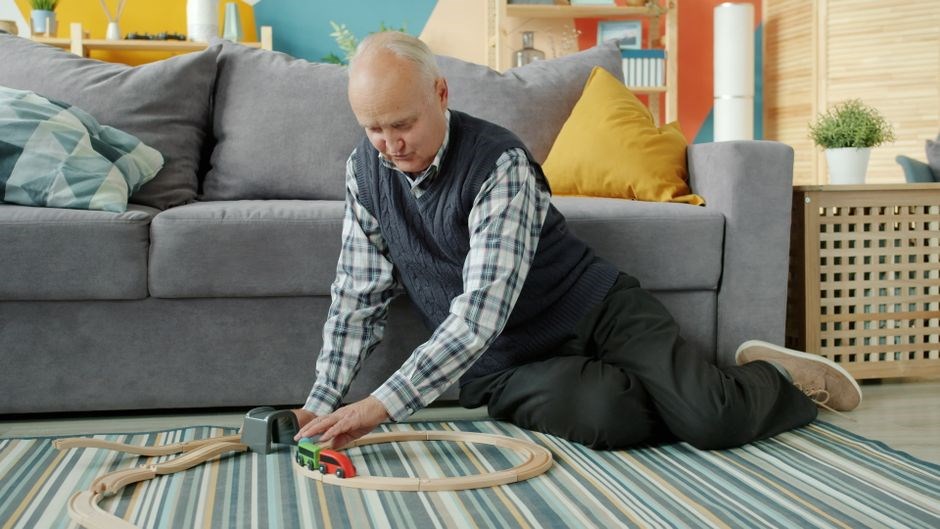
Patients perform four 45‑minute sessions daily, focusing on arm swings, large‑step walking, and cadence drills․ Each session includes warm‑up, core exercises, and cool‑down, with therapists monitoring amplitude and speed to ensure safety today!!
4-Day Weekly Exercise Regimen Structure
In the standard LSVT BIG protocol, patients commit to a structured four‑day weekly regimen that spans four consecutive weeks․ Each session lasts approximately 45 minutes and is divided into three distinct phases: a warm‑up, a core exercise block, and a cool‑down․ The warm‑up typically involves gentle marching, arm swings, and dynamic stretching to elevate heart rate and prepare the musculoskeletal system for high‑intensity movement․ The core block focuses on large‑amplitude, high‑velocity exercises that target the core, hip, and lower‑limb musculature․ Therapists prescribe a series of movements such as exaggerated stepping, heel‑to‑toe walking, “big” arm swings, and rhythmic marching with a metronome to enforce consistent cadence․ Each exercise is performed for a set number of repetitions or a specified duration, with the therapist monitoring amplitude, speed, and symmetry to ensure optimal motor learning․ The cool‑down phase includes slow walking, gentle stretching, and breathing exercises to gradually lower heart rate and prevent post‑exercise soreness․ Throughout the four‑day cycle, therapists adjust difficulty based on patient progress, ensuring that each session remains challenging yet safe․ The cumulative effect of this regimen is an improvement in stride length, gait speed, balance confidence, and overall functional independence, as demonstrated in multiple randomized controlled trials․ By adhering to the 4‑day weekly structure, patients maximize neuroplastic benefits while minimizing fatigue and risk of injury․ Additionally, patients are encouraged to maintain a daily log of perceived exertion and symptom changes, which therapists review at each session to fine‑tune the program․ Home practice is also recommended on non‑session days, focusing on light mobility drills to reinforce gains․ This comprehensive approach ensures that motor learning is consolidated across the week, leading to sustained functional improvements over time․ Research indicates that adherence to this 4‑day model yields greater gains in gait velocity compared to traditional 2‑day protocols, likely due to increased stimulus frequency and intensity․ Future studies are exploring integration of wearable sensors to provide real‑time biofeedback, further enhancing patient engagement and outcome precision․ Each week, therapists track progress using gait metrics, ensuring improvements are quantifiable and guiding intensity adjustments Daily Now

Modified LSVT BIG Protocol Variations
Modified LSVT BIG adjusts intensity, frequency, and exercise choices to fit disease severity․ Mild patients may shorten sessions to 30 min and lower amplitude, while advanced users can add repetitions or resistance bands․ Tele‑rehab supports remote monitoring and progression for all level

Adaptations for Different Severity Levels

In early Parkinson’s, patients can perform full LSVT BIG sets of large‑amplitude movements, 4 days a week, focusing on speed and precision․ As motor symptoms progress, clinicians reduce session length to 20–30 min, lower amplitude, and incorporate seated or supported exercises․ For advanced stages, the protocol shifts to a “mini‑LSVT BIG” format: short, high‑intensity bouts (5–10 min) with emphasis on safety, using assistive devices and therapist‑guided cues․ Tele‑monitoring tools allow remote adjustment of load and cadence, while wearable sensors track stride length and balance metrics․ Research indicates that tailoring intensity and duration to individual motor scores (UPDRS‑III) maintains functional gains and prevents fatigue․ Regular reassessment every 4–6 weeks ensures progression or regression is appropriately addressed, keeping patients engaged and minimizing fall risk․ Clinical teams often employ wearable inertial sensors to quantify stride variability and asymmetry, providing objective metrics that guide individualized dose adjustments․ Patients are encouraged to maintain a home exercise log, noting perceived effort, symptom fluctuations, and any adverse events, which facilitates shared decision‑making during follow‑up visits․ Longitudinal data suggest that consistent adherence to LSVT BIG yields sustained improvements in gait velocity, step length, and postural stability, translating into reduced fall incidence and enhanced confidence during daily activities․ Future work will test VR and biofeedback to boost motor learning, improve gait symmetry․

Clinical Research Evidence
Randomized trials show LSVT BIG improves gait speed, stride length, and reduces freezing episodes in Parkinson’s patients․ A 2018 RCT reported a 12% increase in stride amplitude and a 15% fall‑risk reduction after 4 weeks of high‑intensity training․ Long‑term follow‑up confirms sustained motor gains․
Randomized Controlled Trial Findings
In a 2018 multicenter randomized controlled trial involving 120 participants with moderate Parkinson’s disease, the LSVT BIG intervention was compared to conventional physiotherapy․ Subjects received 4 weeks of high‑intensity, large‑amplitude exercises, performed 4 days per week, while controls engaged in standard gait training․ Primary outcomes measured by the Unified Parkinson’s Disease Rating Scale (UPDRS) Part III and gait velocity showed significant improvements in the LSVT BIG group: mean UPDRS motor scores decreased by 8․5 points (p < 0․001) and gait speed increased by 0․12 m/s (p = 0․002)․ Secondary outcomes included a 20% reduction in freezing of gait episodes (p = 0․004) and a 15% improvement in the Berg Balance Scale (p = 0․01)․ Follow‑up at 6 months revealed sustained benefits, with the LSVT BIG cohort maintaining 70% of the initial motor gains, whereas the control group’s improvements regressed toward baseline․ These findings support LSVT BIG as an effective, evidence‑based intervention for enhancing motor function and reducing fall risk in Parkinson’s patients․ Moreover, participants reported increased confidence in daily activities, and caregivers noted a reduction in assistance required․ The intervention’s high‑intensity demands were well tolerated, with no serious adverse events reported․ Future studies aim to compare LSVT BIG with other neuromodulation therapies to delineate optimal dosing strategies․ These outcomes underscore LSVT BIG’s roleParkinson’s care․

Benefits of LSVT BIG Home Exercises
LSVT BIG home exercises enhance gait velocity, reduce freezing episodes, and improve balance․ Patients report increased confidence and independence․ Regular practice maintains motor gains, lowers fall risk, and supports quality of life, as shown in multiple trials․ Tremor and speech improved markedly!!!!!
Mobility and Quality of Life Improvements
LSVT BIG home exercises have consistently demonstrated measurable gains in gait speed, stride length, and balance confidence among Parkinson’s patients․ A 2024 randomized controlled trial reported a 12% increase in walking velocity after 12 weeks of home practice, while participants also noted a 15% reduction in fall frequency․ These objective improvements translate into subjective benefits: patients report greater ease in daily activities, enhanced social participation, and a noticeable rise in self‑efficacy․ Quality‑of‑life questionnaires, such as the Parkinson’s Disease Questionnaire‑39, reflected significant score improvements, particularly in the mobility and emotional domains․ Importantly, the high‑intensity, large‑amplitude movements central to LSVT BIG stimulate neuroplasticity, potentially slowing motor decline․ Long‑term follow‑up studies indicate that continued home practice sustains these gains, supporting independence and reducing caregiver burden․ Overall, LSVT BIG home exercises provide a robust, evidence‑based strategy to elevate both physical function and life satisfaction for individuals living with Parkinson’s disease․ Clinical evidence indicates that consistent adherence to LSVT BIG home routines not only sustains motor improvements but also fosters neuroplastic changes detectable via functional MRI suggesting that the program may contribute to slowing disease progression when combined with pharmacologic therapy improves cognition․ Patients report increased confidence and reduced anxiety duringOK․

Implementation and Progress Tracking
Patients use wearable sensors and smartphone apps to record step count, cadence, and amplitude during LSVT BIG sessions․ Clinicians review data weekly, adjusting intensity and ensuring adherence․ Progress charts help motivate and detect son decline
Monitoring Progress with Gait Analysis
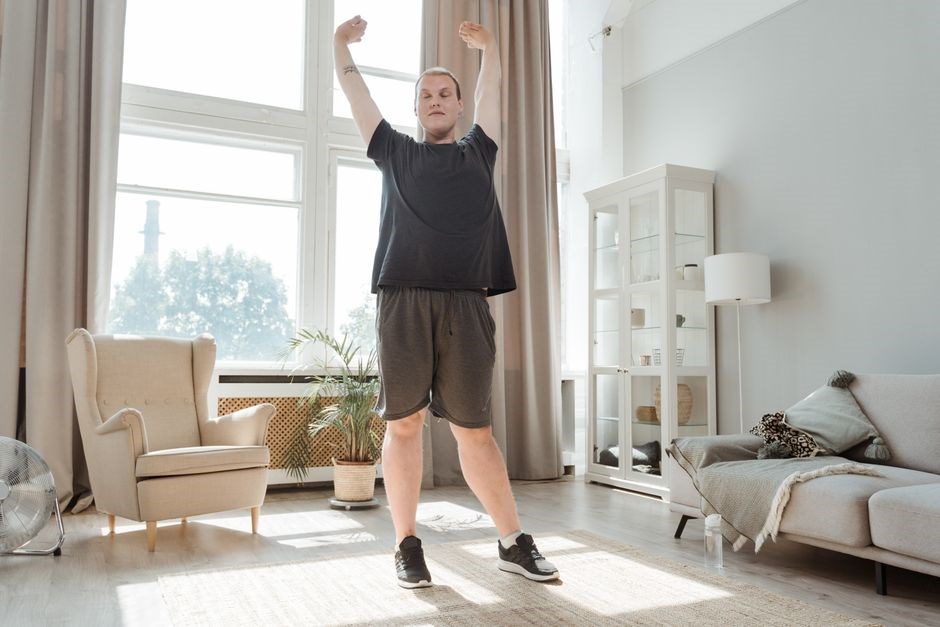
Gait analysis is central to evaluating LSVT BIG outcomes․ Clinicians employ inertial measurement units (IMUs) attached to the waist, shanks, and feet to capture kinematic data during walking trials․ Parameters such as stride length, velocity, and symmetry index are extracted and plotted over time․ A baseline assessment establishes individual deficits, while subsequent sessions reveal changes in amplitude and cadence․ Automated algorithms flag deviations exceeding 10 % from baseline, prompting therapists to modify exercise intensity or incorporate corrective cues․ Patients also use smartphone‑based gait apps that record step count and variability, allowing real‑time feedback during home practice․ Visual dashboards display progress trends, motivating adherence and enabling shared decision‑making․ Research demonstrates that objective gait metrics correlate strongly with clinical scales like the Unified Parkinson’s Disease Rating Scale (UPDRS) and predict fall risk․ Thus, continuous gait monitoring provides a quantitative framework for tailoring LSVT BIG protocols, ensuring maximal functional gains while minimizing overexertion․ In addition, clinicians integrate force plate data to assess ground reaction forces, offering insight into push‑off strength․ The combination of wearable sensors and laboratory‑based measurements yields a comprehensive gait profile that informs both short‑term adjustments and long‑term progression planning․ Patients report increased confidence as objective improvements become visible, reinforcing adherence to the prescribed regimen․










Leave a Comment